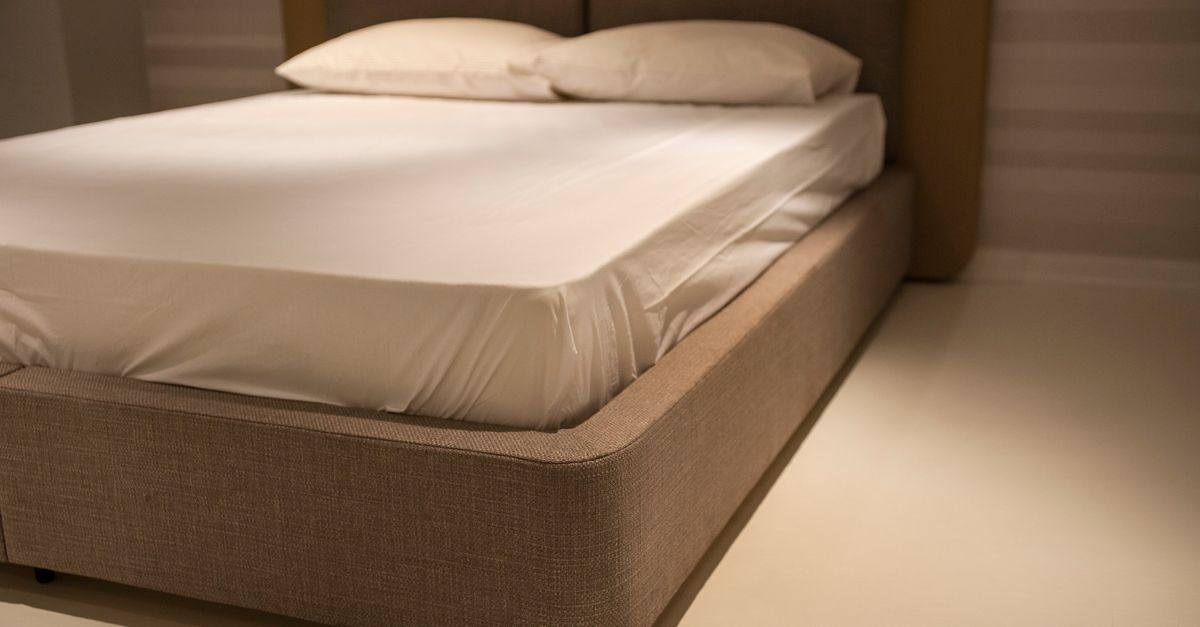
The short answer: a base set is simpler, while mattress-only gives you more control
A base set normally combines a mattress with a matching or designated support base. It can be a practical route when you are furnishing a room from scratch, replacing an entire bed, or want the height and overall fit decided in one purchase. In South African usage, a base may be described as a platform, solid foundation, slatted base or spring foundation, so confirm exactly what is included rather than relying on the word ‘set’ alone.
Buying a mattress only can make sense when you already have a sound, correctly sized frame or base. It also lets you choose the support surface separately, which matters because different mattresses can require different types of foundation. Start with the mattress maker’s written requirements, then browse the wider [mattress range](/mattresses) with the base you intend to use in mind.
- Choose a base set when you need a complete bed and want fewer compatibility decisions.
- Choose mattress only when your existing base is stable, correctly sized and suitable for the mattress.
- Treat the exact base construction—not just its appearance—as part of the buying decision.
What the base changes: support, height and airflow
A mattress is designed to work on a particular kind of support. Platform and slatted bases provide a surface beneath the mattress, while a spring foundation has a different internal construction and may create a different feel. A South African mattress retailer’s educational guide describes platform beds as having either solid or slatted tops and distinguishes them from spring foundation bases, but its product preferences are commercial opinion rather than universal evidence. Use the guide for terminology, not as a ranking.
Slat spacing and centre support are practical checks. For example, Purple’s public support guidance says its mattresses used on a slatted bedframe should have slats no more than 3.5 inches apart, while Leesa explains that its own memory-foam guidance is intended to provide a flat, supportive surface and ventilation. These are manufacturer-specific examples, not a universal South African standard, so the instructions for your exact mattress take priority.
- Measure the gaps between slats and check whether the mattress maker states a maximum spacing.
- Check for centre rails and legs, especially on double, queen and king-size frames.
- Look for a support surface that allows the mattress to sit evenly and does not trap avoidable moisture.
When mattress-only is the better fit
Mattress-only buying is usually the more flexible option if your current base is in good condition. It may suit a move, a guest room update or a replacement where the frame already matches the mattress dimensions. Before ordering, check the base’s internal supports, the usable sleeping area, its levelness and whether it moves or squeaks under normal use. A new mattress cannot correct a bent, broken or poorly supported frame.
It is also useful when you want to separate feel from furniture. You can keep a preferred headboard or storage base and focus your mattress research on firmness, materials, thickness and sleeping preferences. Avoid assuming that a familiar base will suit every new mattress: foam, latex, hybrid and traditional innerspring designs may have different support instructions.
- Confirm the mattress and base have the same nominal size and compatible usable dimensions.
- Inspect slats, rails, joins and legs before placing a new mattress on the frame.
- Save the mattress care and foundation instructions so you can check requirements later.
When a complete base set is the safer practical choice
A complete set reduces the chance that you buy a mattress first and discover that your existing frame is too small, too flexible or unsuitable. It can also simplify delivery and room planning because the sleeping height, base footprint and mattress size are considered together. That convenience is valuable, but it does not remove the need to read the product specification and confirm what the advertised set contains.
Whichever route you choose, compare the actual construction and written requirements rather than relying on labels such as ‘orthopaedic’, ‘premium’ or ‘universal’. Comfort is personal, and persistent pain, numbness or other symptoms should be discussed with a qualified health professional rather than treated as a mattress-selection problem.
- Ask whether the set includes the mattress, base, legs, headboard and any other pictured items.
- Check assembled dimensions, access through doors and stairs, and the seller’s delivery terms.
- Keep the decision focused on fit, support requirements and room needs—not unsupported health promises.